
BLOG
BLOG

SOPs vs Checklists: How to Utilise to Scale Your Business Efficiently
Staying organised is crucial to scaling a business effectively. It leads to consistency, making it easier to achieve continuous growth and improvement.
One of the powerful ways to streamline business operations is through Standard Operating Procedures (SOPs) and checklists. These are tools to help you systemise tasks, specifically the repetitive ones. It reduces errors and empowers your team to function independently. This will free you from the daily operations so you can lead the team and focus on high-impact tasks that will grow the business.
In this article, you’ll learn more about SOPs and checklists and why these are important in improving business efficiencies and employee accountability. I’ll share the steps to develop and use them to scale the business effectively.
Difference Between SOPs and Checklists
SOPs and checklists are two different tools. Both are used to increase efficiency in business processes. However, they serve different purposes and understanding these roles will help you create the right tool to streamline operations.
What is an SOP?
Short for Standard Operating Procedure, SOPs refer to the detailed guide that outlines the steps to perform specific tasks, workflows and processes in business operations. The purpose of an SOP is to ensure consistency no matter who is performing the task.
To scale a business, you don’t just complete a task. You have to ensure it gets done correctly. The SOP does this through clear instructions describing the task and how it should be performed.
For instance, it could be an outline of the client onboarding process. Describe what should happen from the initial meeting to the documentation and onboarding. Identify who is responsible for completing the task and what is expected of them. This ensures every client goes through the same experience and service.
SOPs are ideal for repetitive tasks that require accuracy, tasks that follow a specific order, or tasks that progress in a specific direction. They can also be used to train new employees and ensure that protocols and quality control comply with industry standards.
What is a Checklist?
A checklist is simpler. It’s not as detailed as SOPs and only shows a list of tasks or items that require verification, checking or inspection. You can think of this as a tool supporting SOPs. It ensures nothing is missed when routine tasks are done.
For instance, checklists could list items clients should meet to qualify for onboarding. It doesn’t require an explanation because the people using it should be aware of what to do. They just use it to stay organised. It can also help your team prioritise tasks and ensure nothing is missed.
These checklists can be used to break down tasks and track progress. These can be useful tools to promote accountability.
How to Develop SOPs and Checklists
Now that you know the difference between SOPs and checklists, how can you create them to transform your business operations? Here are steps to create these powerful tools to organise and enhance your team’s performance and business output.
Identify key business processes
Start by identifying the key business processes that require an SOP or checklist. What repetitive tasks should be done consistently and would benefit from being standardised? Apart from client onboarding, these could include lead generation, project management, financial reporting, etc. Go through the whole business operations and pinpoint high-impact areas. Create SOPs and checklists to maximise resources and time spent doing the tasks. This will reduce inefficiencies that could compromise the quality of output or deliverables.
Get the team’s input
If you already have a team, involve them in the creation of the SOPs and checklists. Since they are directly responsible for completing tasks, they have first-hand information about the needs and inefficiencies of the current procedure.
Set a time to brainstorm with them and get their insights on what works and what doesn’t. Have them pen the first draft of the SOP and checklist. Then sit with them to discuss how processes and systems can be improved to increase productivity and elevate the quality of work. Remember, the goal is not just to improve the output. You also want to create a system that’s user-friendly and compliments the people who will do the work.
Define the steps and item list clearly
Clarity is essential to make SOPs and checklists effective in scaling the business. Break down the process and provide simple and easy-to-understand steps. Be clear in identifying what has to be done and who should be doing it. Present it in a sequential order to minimise confusion and reduce mistakes.
When it comes to the checklist, use terms that everyone can understand. If there are jargon or technical terms, define them so there’s no misunderstanding. Provide clear instructions on how the checklist should be completed.
Choose the right presentation format
SOPs and checklists can be presented in various ways. It can be in a written document, flowchart or video. There are even interactive digital tools you can use to make it more engaging. Choose a format that suits the task. Don’t make it too complicated and make sure it fits your team. For instance, you can prepare a video presentation of the SOPs and use it to train new employees. A flowchart in a written document is ideal for processes that require step-by-step instructions. A document is also good enough for a simple checklist.
You don’t have to stick to just one format. You can combine a video and a flowchart if it can present the SOPs better.
Review the SOPs and Checklists
After creating the SOPs and checklists, it’s time to review them. Send them to the team so they can comment on it. If everything checks out, send them to someone else and have them scrutinise it. Ask them if the instructions are clear and if they can understand what is presented.
Test the SOPs in real-world situations and gather feedback from the team. Have someone use the checklist and see if anything is missed. Fine-tune what needs improvement.
Schedule regular audits
Once you’ve implemented the SOPs and checklists, set a schedule to audit them. Business processes evolve as the market changes their preferences. It’s only prudent to check current systems to ensure they’re still applicable. Improve as needed and update your SOPs and checklists to keep them relevant.
Look for new tools, technology and other resources that’ll help your business stay agile and responsive to market changes.
Tips to Create an Effective SOP and Checklist
As you work on your SOPs and checklists, it’s crucial to prioritise clarity and accessibility. Use clear and concise language to keep instructions direct and simple. Instead of “Handle client inquiries as soon as possible” it’s better to say “Respond to client inquiries within 24 hours using the provided email template.” The second instruction is more precise and clear in how the team should handle client inquiries.
While it’s important to provide the right details, don’t forget to be concise and straightforward as well. Don’t overwhelm your team with unnecessary information because that could lead to confusion.
For SOPs, organise the steps in sequential order. This will ensure the team goes through the process correctly. For instance, client onboarding should go through an initial meeting, then an email confirmation of the agreement, followed by the contract finalisation and finally the contract signing. Having the steps in the right order empowers your team and keeps them from missing an important task that could affect the whole project or deliverable.
Another way to make SOPs and checklists clear is by providing visual aids. Use diagrams, animations, images and flowcharts to make complex processes easier to understand. A flowchart looks simple but will take your team through the right process based on how a client reacts. Consider the right format and visual aid to help your team navigate business processes correctly.
Finally, make your SOPs and checklists easily accessible. Store them in a secure file online so people in the field can access a copy from anywhere. Print a hard copy for those in the workplace. This accessibility will ensure people can follow the SOPs and use the checklists anytime and anywhere.
Achieve Business Efficiency with SOPs and Checklists
SOPs and checklists are powerful tools with the ability to streamline business operations to ensure consistency and growth. It can empower your team to do their work independently so you are free to focus on scaling the business.
These tools are not just documents with written instructions. Use them as the foundation of well-structured systems to correct business inefficiencies. It can lead to incredible improvement that can sustain long-term success.
Are you ready to take your business to the next level? Work with a business coach to create SOPs and checklists that are aligned with your vision. I have templates you can use or we can create a new one that fits the unique requirements of your business.
If you want to get started, I’m offering a complimentary brainstorming session so we can identify how to scale your business efficiently. Let’s have a conversation. Book a call here: https://www.butleradvisory.com.au/time-with-trent.
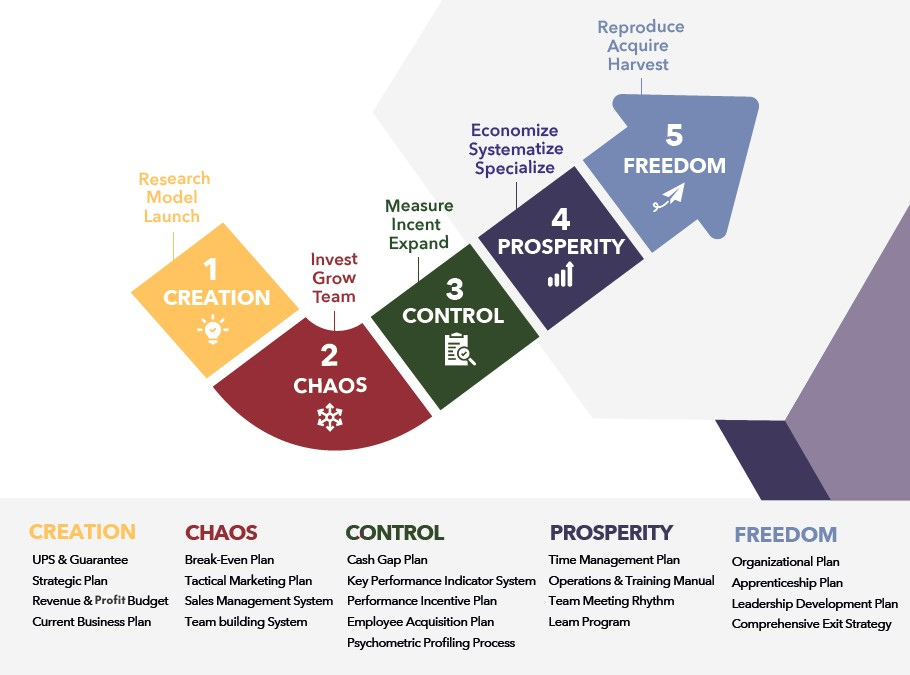
Free Methodology Presentation: Learn Our Proven 5-Step System For Transforming Your Business Into A Firm That Runs Smoothly, Profitably and (mostly) Without You
Free Methodology Presentation: Learn Our Proven 5-Step System For Transforming Your Business Into A Firm That Runs Smoothly, Profitably and (mostly) Without You.
Confirm Your Details To Continue
Confirm Your Details To Continue
Schedule a call to see if our approach can help take your business to #1 in your market.
No pie-in-the-sky. No generic ideas.
No hard sell.
Just straight-forward analysis of your approach to marketing and sales, team-building skills, gross and net profitability, and business transfer readiness.