
BLOG
BLOG

The Power of Saying 'No': The Most Underrated Skill In Business
As a business owner, do you ever feel like there's just too much to do and simply not enough time to do it?
I guarantee a big part of the reason you're thinking that is because you're saying 'yes' just far too often.
The ability to politely, professionally, but firmly say 'no' is the most underrated skill in business, because it improves our ability to focus exclusively on the most valuable things that truly matter.
In this blog post, we explore strategies to improve your time management skills and boost efficiency by embracing the practice of saying 'no' more frequently.
Offer explanations for saying no
When faced with the necessity to turn down a request, providing a reason can significantly enhance the reception of your response compared to a simple 'no.' Whether it stems from prior commitments to a colleague or project, a scheduling conflict, inadequate resources, a misalignment with previously identified quarterly priorities, or any other valid reason, endeavor to convey that your decision is the result of thoughtful consideration rather than an immediate dismissal.
In many cases, after careful thought, it can be determined that saying 'no' is actually in the best interest of the person who is making the 'ask'. Take time to reflect and consider the second and third order consequences of saying 'yes', not only as it relates to you as the business owner, but also of the person asking. For example, saying 'yes' may help the person in the short term, but the overall impact may be negative to that person when considering the implications over the medium to long term.
Demonstrating this level of consideration adds a layer of understanding and transparency to your response, fostering a more positive reception to your decision and deepening your relationships with those involved.
Recognise the outcomes associated with saying yes
As a professional, saying 'yes' typically involves making a commitment and shouldering additional responsibilities. By agreeing, you commit not only your time but also allocate resources and actions, inevitably influencing your workload and challenging your capacity to manage time.
Understanding the full repercussions of saying 'yes' is paramount for comprehending when agreeing is simply not the right call, especially when it threatens to disrupt your carefully planned schedule.
Attentively listen and pose relevant questions
When presented with a request, it's crucial to attentively listen to the specifics of what is being asked. In cases of uncertainty, don't hesitate to seek clarification through thoughtful questioning. What might initially seem like a straightforward request can unexpectedly consume considerable time and resources. Prior to delivering your response, ensure a comprehensive understanding of the implications, significance, and prerequisites associated with the request. This approach empowers you to make informed decisions that align with the demands and potential impact of the task at hand.
Resist the urge to reply immediately
Whenever a new request is presented, take a moment to thoughtfully evaluate its implications. The act of pausing allows you to comprehensively assess how the request might impact your workflow, granting you the clarity needed to understand the consequences of a positive response.
Committing to a new task should only occur if you can wholeheartedly dedicate yourself to it. This implies ensuring that the acceptance of the request won't have adverse effects on your productivity and profitability. Moreover, your commitment should align with your established quality standards, guaranteeing that any new undertaking maintains the excellence you strive for in your work.
3 techniques to gracefully say No
Postpone the commitment for a while
As we've emphasised the importance of avoiding immediate responses, it's crucial to give yourself the space to evaluate when confronted with a new request. Politely mention the need to review your schedule or current workload and propose returning with a response within a specific timeframe. This not only facilitates a more comfortable decline if necessary but also showcases your commitment to genuinely considering their request. Taking this measured approach reinforces your thoughtful consideration and contributes to a more constructive interaction.
Offer other possible approaches
Saying no becomes markedly more manageable when accompanied by the presentation of an alternative solution, especially when the request originates from a well meaning team member or client.
Consider proposing alternative avenues such as recommending another individual for assistance, expressing a willingness to help in the future, or delegating tasks to other members of your team. In doing so, you're likely to receive a positive response, despite the fact that your ultimate answer is in the negative. Offering alternatives demonstrates a proactive and collaborative approach, fostering a constructive dialogue even when the initial request cannot be accommodated.
Indicate a delay with 'Not at the moment'
Instead of outright declining a request with a simple 'no,' opting for a response like 'not at the moment' can often yield a more positive reaction. This proves especially valuable when the project or task aligns with your interests or qualifications, but your immediate schedule is does not allow you to accommodate it. This approach not only communicates your genuine interest but also underscores your dedication to handling your current responsibilities with diligence. It conveys a willingness to commit when you can allocate your full attention, showcasing a thoughtful and responsible approach to managing your workload.
Say 'no' more often with the help of a business coach
If you struggle with saying 'no' to clients, partners and/or team members, i'd strongly encourage you to say 'yes' to working with a business coach.
With the ability to see your situation independently and objectively, I frequently help clients discover at least 7 hours per week of work which they shouldn't be doing. How could having an additional 1 day per week available speed up the growth of your business?
Let's answer that together. Book a 15-minute no obligation call with Trent here - https://www.butleradvisory.com.au/time-with-trent
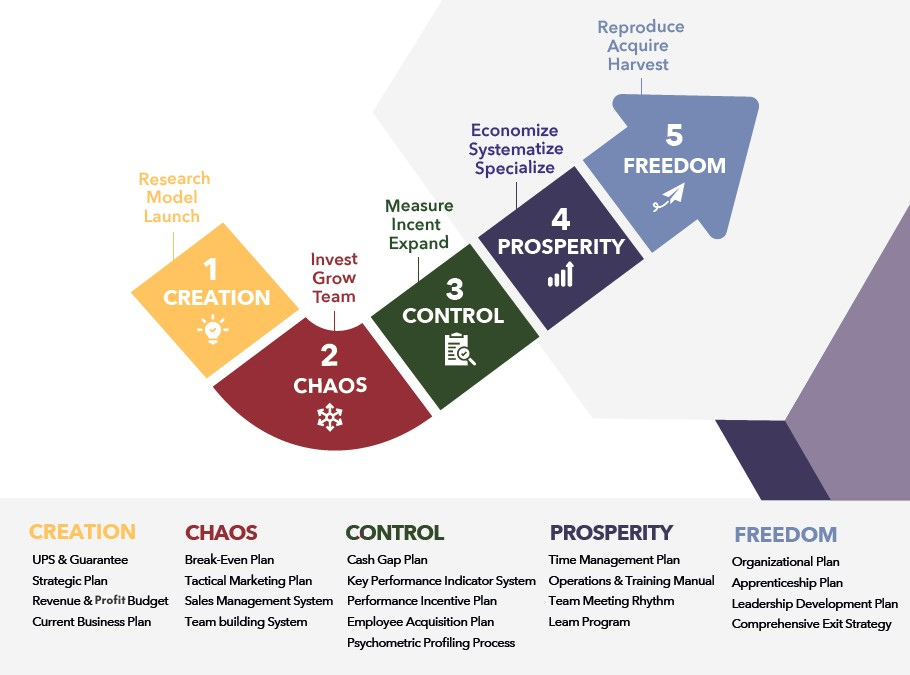
Free Methodology Presentation: Learn Our Proven 5-Step System For Transforming Your Business Into A Firm That Runs Smoothly, Profitably and (mostly) Without You
Free Methodology Presentation: Learn Our Proven 5-Step System For Transforming Your Business Into A Firm That Runs Smoothly, Profitably and (mostly) Without You.
Confirm Your Details To Continue
Confirm Your Details To Continue
Schedule a call to see if our approach can help take your business to #1 in your market.
No pie-in-the-sky. No generic ideas.
No hard sell.
Just straight-forward analysis of your approach to marketing and sales, team-building skills, gross and net profitability, and business transfer readiness.