
BLOG
BLOG

The Entrepreneur’s Guide to Managing the Cash Gap
Cash flow is the lifeblood of any business. Yet, even profitable businesses often find themselves in financial stress due to the “cash gap”—the time between when you pay your expenses and when you get paid. If left unmanaged, this gap can stunt growth, cause unnecessary stress, and even jeopardise your business’s survival.
In this guide, we’ll unpack what the cash gap is, why it matters, and how to manage it effectively. Whether you’re a seasoned entrepreneur or just starting out, mastering the cash gap is essential for long-term success.
Understanding the Cash Gap
What Is the Cash Gap?
The cash gap occurs when there’s a timing difference between the outflow of cash (e.g., paying suppliers or employees) and the inflow of cash (e.g., receiving customer payments). For many businesses, this is a natural part of operations, but when mismanaged, it can create a dangerous financial squeeze.
Common Causes of a Cash Gap
Delayed customer payments or extended credit terms.
Seasonal fluctuations in demand.
Large upfront expenses, such as inventory or marketing costs, without immediate returns.
The Difference Between Profit and Cash Flow
A business can be profitable on paper but still struggle with cash flow. Profit measures overall financial performance, while cash flow reflects the actual money available to keep your business running. Both are important, but cash flow is the lifeblood of daily operations.
Recognising the Symptoms of a Cash Gap
Warning Signs in Your Business
Difficulty paying bills or employees on time.
Frequent reliance on credit cards or personal savings to cover expenses.
Holding off on growth opportunities due to a lack of available funds.
The Emotional Toll
Beyond the financial strain, a cash gap can cause sleepless nights, decision fatigue, and stress that trickles down to your team and operations.
Strategies to Manage and Close the Cash Gap
1. Build a Cash Flow Forecast
Develop a 12-month projection of your income and expenses. This helps you anticipate shortfalls and plan accordingly. Use simple tools like spreadsheets or dedicated software to track and update your forecasts regularly.
2. Create a Cash Buffer
Set aside a cash reserve to cover unexpected expenses. Aim for at least 1-3 months of operating costs. This buffer provides peace of mind and helps you navigate periods of uncertainty.
3. Optimise Payment Terms
Negotiate with Suppliers: Request extended payment terms to delay cash outflows.
Incentivise Early Payments from Customers: Offer small discounts for upfront or early payments.
Implement Clear Payment Policies: Ensure your invoicing and follow-up processes are efficient to minimise payment delays.
4. Leverage Financing Options
Borrowing strategically can bridge the cash gap without putting undue strain on your operations:
Lines of Credit: Flexible and accessible for short-term needs.
Invoice Financing: Advance cash against unpaid invoices.
Short-Term Loans: Useful for covering seasonal or temporary gaps.
5. Streamline Operations
Reduce unnecessary expenses and improve efficiency to free up cash. Examples include renegotiating contracts, automating workflows, or outsourcing non-core activities.
Why Borrowing Can Be a Smart Move
The Misconception Around Debt
Borrowing often gets a bad reputation, but when used wisely, it can be a powerful tool for managing cash flow and enabling growth.
Good Debt vs. Bad Debt
Good Debt: Invested in revenue-generating activities, such as purchasing equipment or funding marketing campaigns.
Bad Debt: Used for non-essential or short-term fixes without a clear ROI.
Real-Life Example
A growing retail business secured a line of credit to purchase inventory ahead of the holiday season. The result? Record sales and a stronger cash position to start the new year.
Tools and Resources for Managing the Cash Gap
Financial Forecasting Software
Tools like Xero, QuickBooks, or Float can simplify your cash flow planning.
Business Coaching
Work with a coach to develop tailored strategies for managing cash flow and improving financial resilience.
Conclusion: Take Control of Your Cash Flow
Managing the cash gap isn’t just about survival; it’s about positioning your business for sustainable growth. By understanding your cash flow, implementing proactive strategies, and seeking expert guidance, you can turn cash flow challenges into opportunities.
If you’re ready to take control of your cash flow, consider scheduling a complimentary consultation. Together, we’ll create a roadmap to financial confidence and business success.
Schedule Time With Trent Today
Your cash flow doesn’t have to hold you back. Let’s bridge the gap and unlock your business’s full potential.
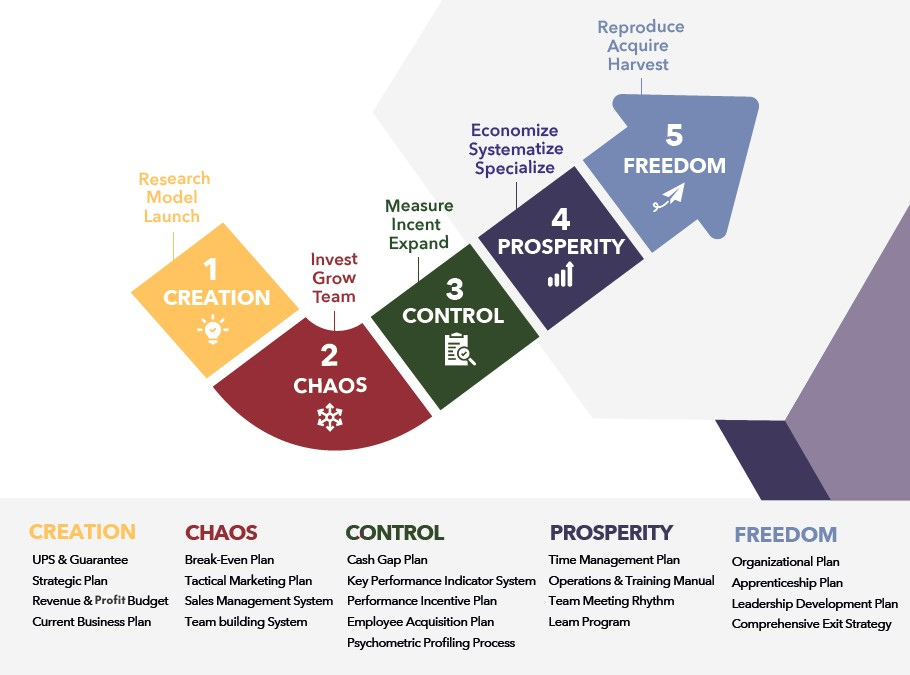
Free Methodology Presentation: Learn Our Proven 5-Step System For Transforming Your Business Into A Firm That Runs Smoothly, Profitably and (mostly) Without You
Free Methodology Presentation: Learn Our Proven 5-Step System For Transforming Your Business Into A Firm That Runs Smoothly, Profitably and (mostly) Without You.
Confirm Your Details To Continue
Confirm Your Details To Continue
Schedule a call to see if our approach can help take your business to #1 in your market.
No pie-in-the-sky. No generic ideas.
No hard sell.
Just straight-forward analysis of your approach to marketing and sales, team-building skills, gross and net profitability, and business transfer readiness.