
Your Business Growth Partner
GUIDING THE 'BEST KEPT SECRETS' TO #1 IN THEIR MARKET
Trent Butler is a Chartered Accountant who acts as a Business Coach, Growth Advisor and Marketing Strategist to growth-minded professional service business owners.
We'll help you increase your profits, implement systems to improve operations and build a team that can operate without you - giving you the money and freedom to live the life you want.
Your Business Growth Partner
GUIDING THE 'BEST KEPT SECRETS' TO #1 IN THEIR MARKET
Trent Butler is a Chartered Accountant who acts as a Business Coach, Growth Advisor and Marketing Strategist to growth-minded professional service business owners.
We'll help you increase your profits, implement systems to improve operations and build a team that can operate without you - giving you the money and freedom to live the life you want.
Just a few of the 'best kept secrets' we've worked with:

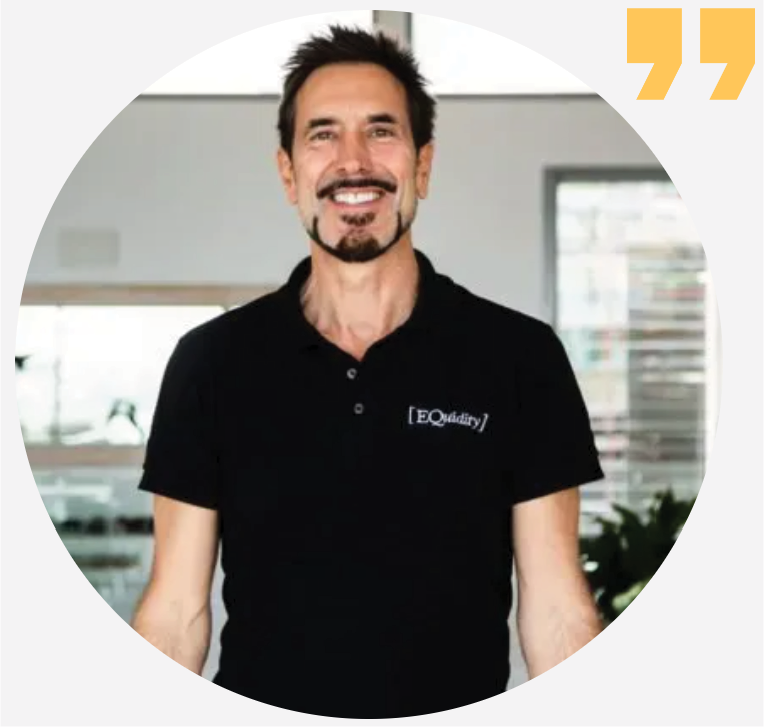
"I was attracted to Trent's clarity of what could be achieved, his process driven approach to achieving objectives, coupled with his knowledge and experience. It's been absolute pleasure working with Trent and his team. I am extremely pleased with the results...”
Giles Hill
Director, EQ Property
The Truth Is You Have A Lot On Your Plate When It Comes To Being #1 In Your Market...
You Might Be Struggling With:
Identifying & attracting the right type of higher-value client
- Past efforts have attracted the wrong type of client.
- Prospects just want to know 'price' and don't seem to care about anything else.
- Leads seem to take forever to sign-up and become a client.
You just want to attract higher-value clients who value your expertise and expect to pay a fair premium to work with you.
Monitoring cash flow & tracking return on investment
- You’re unsure what metrics to be tracking.
- You’re not clear on what benchmarks to aim for.
- You're not sure if your marketing is making or losing money.
You just want to understand dollars-in vs dollars-out and whether or not it's all worth it.
Developing process and people to handle the next growth phase
- Growth is starting to cause other operational challenges.
- Getting the right people in the right seats has become easier said than done.
- The team can never quite seem to follow process or consistently achieve what is expected.
- You're getting pulled in a hundred different directions and clients are beginning to notice.
You just want to get everyone on the same page and following processes that actually work and scale.
Figuring out what to do and what not to do next from a marketing and business development standpoint
- Exactly who is our ideal client and how do we get more of them?
- Just what is our point of difference (or do we even have one)?
- Do people see us as a commodity service provider?
- What 'tactics' would work best specifically for our firm and stage of business?
- Where should we be spending our marketing dollars and efforts?
You just want to know what you should be doing and why.
Aligning the leadership team on strategy, planning and execution
- The leadership team is losing sight of the bigger picture (core mission, vision and values).
- Key team members just can't seem to agree on what should be done next, how and why.
- Problems use to be handled quickly but now take weeks/months to resolve.
- Important but not urgent activities are just not getting done.
You just want everyone in the business aligned and beating to the same drum.
Just a few of the 'best kept secrets' we've worked with:





"I was attracted to Trent's clarity of what could be achieved, his process driven approach to achieving objectives, coupled with his knowledge and experience. It's been absolute pleasure working with Trent and his team. I am extremely pleased with the results...”
Giles Hill
Director, EQ Property
THE TRUTH IS YOU HAVE A LOT ON YOUR PLATE WHEN IT COMES TO BEING #1 IN YOUR MARKET...
You Might Be Struggling With:
Identifying & attracting the right type of higher-value client
- Past efforts have attracted the wrong type of client.
- Prospects just want to know 'price' and don't seem to care about anything else.
- Leads seem to take forever to sign-up and become a client.
You just want to attract higher-value clients who value your expertise and expect to pay a fair premium to work with you.
Monitoring cash flow & tracking return on investment
- You’re unsure what metrics to be tracking.
- You’re not clear on what benchmarks to aim for.
- You're not sure if your marketing is making or losing money.
You just want to understand dollars-in vs dollars-out and whether or not it's all worth it.
Developing process and people to handle the next growth phase
- Growth is starting to cause other operational challenges.
- Getting the right people in the right seats has become easier said than done.
- The team can never quite seem to follow process or consistently achieve what is expected.
- You're getting pulled in a hundred different directions and clients are beginning to notice.
You just want to get everyone on the same page and following processes that actually work and scale.
Figuring out what to do and what not to do next from a marketing and business development standpoint
- Exactly who is our ideal client and how do we get more of them?
- Just what is our point of difference (or do we even have one)?
- Do people see us as a commodity service provider?
- What 'tactics' would work best specifically for our firm and stage of business?
- Where should we be spending our marketing dollars and efforts?
You just want to know what you should be doing and why.
Aligning the leadership team on strategy, planning and execution
- The leadership team is losing sight of the bigger picture (core mission, vision and values).
- Key team members just can't seem to agree on what should be done next, how and why.
- Problems use to be handled quickly but now take weeks/months to resolve.
- Important but not urgent activities are just not getting done.
You just want everyone in the business aligned and beating to the same drum.
Professional business coaching can help you:
Improve operations, implement systems and remove bottlenecks so that you get your time back.
Hire and train the right team, communicate better with each other and eliminate people problems.
Grow your business with bigger and better clients.
Overcome cash flow issues and improve your financial management.
Make better decisions and become more profitable.
WELL... YOU CAN!
Butler & Co Advisory is a small team of experienced entrepreneurs coaching aspiring entrepreneurs. We are experts in one thing – growing profitable companies through an appropriate mix of business coaching, growth advisory and marketing strategy consulting.
Whereever you're stuck, we can help:

MORE LEADS, SALES, AGGRESSIVE GROWTH?
YOU GOT IT.
MORE LEADS, SALES, AGGRESSIVE GROWTH? YOU GOT IT.
You won’t believe how easy it is to get your phone ringing with top-shelf, ready-to-buy prospects until you see our methodology for yourself. It’s time for you to set the pace and leave your competitors behind.

RECRUIT & RETAIN WINNERS INSTEAD OF LOSERS?
COMING RIGHT UP.
RECRUIT & RETAIN WINNERS INSTEAD OF LOSERS? COMING RIGHT UP.
Only the very best hiring managers win the perpetual war for talent. You’ll join the ranks of elite recruiters when you learn how the top guns do it. It’s time to get the rock stars you deserve and let the rest work for the others.
CONTROL YOUR CASH AND STASH MONEY AWAY?
EASY.
CONTROL YOUR CASH AND STASH MONEY AWAY? EASY.
Smart business owners know how to control costs, forecast and manage cash, and grow profits. It’s time to control the flow of money through your business and build a large pile of cash in your bank account.
GET YOUR BUSINESS READY TO SELL FOR BIG BUCKS? LET’S ROLL.
Any business can be turned into a cash machine that runs with minimal to zero daily involvement of the owner(s). It’s time to turn your staff into a team that will run your business like they own it, so you can sell it to whomever you wish, whenever you wish.
Who We Work With
We work primarily with established business owners in the following categories.

Advisory Firms
Accounting firms, consulting firms, real estate agencies, medical clinics and marketing agencies.

Professionals
Consultants, coaches, real estate agents, accountants, mortgage brokers, medical practitioners, marketers and freelancers.

Our Founder & Lead Business Coach, Trent Butler
The vision of Butler & Co Advisory is to be the undisputed market leader in business growth advisory services in Australia.
Our plan to achieve that vision is to work hand-in-hand with a smaller volume of exceptionally talented industry experts, taking each of them to 'market-leader' status in their respective niches and/or geographic locations. We then let their results do our talking.
A Chartered Accountant, Trent has over 10 years experience working across three different firms spanning the three 'tiers' of the accounting profession; a small boutique firm, a mid-tier firm and the ‘big 4’ firm – Pricewaterhouse Coopers.
Since founding Butler & Co Advisory in 2018, Trent has worked with over 50+ Australian professional service businesses. He deeply understands the nuances, growth challenges and stakeholder dynamics that present at every stage of a firm's life cycle.
Trent knows how both prospective clients and professional staff conduct their due diligence and choose a professional service provider in the modern digital world.
He understands that as your business grows and thrives, so will our partnership. So let’s talk, we promise it will be a breath of fresh air.
Our Founder & Lead Business Coach, Trent Butler
The vision of Butler & Co Advisory is to be the undisputed market leader in business growth advisory services in Australia.
Our plan to achieve that vision is to work hand-in-hand with a smaller volume of exceptionally talented industry experts, taking each of them to 'market-leader' status in their respective niches and/or geographic locations. We then let their results do our talking.
A Chartered Accountant, Trent has over 10 years experience working across three different firms spanning the three 'tiers' of the accounting profession; a small boutique firm, a mid-tier firm and the ‘big 4’ firm – Pricewaterhouse Coopers.
Since founding Butler & Co Advisory in 2018, Trent has worked with over 50+ Australian professional service businesses. He deeply understands the nuances, growth challenges and stakeholder dynamics that present at every stage of a firm's life cycle.
Trent knows how both prospective clients and professional staff conduct their due diligence and choose a professional service provider in the modern digital world.
He understands that as your business grows and thrives, so will our partnership. So let’s talk, we promise it will be a breath of fresh air.
What is Trent like to work with?
Click on the images below to watch the videos.
LOCATE BUYERS AGENCY
"Their [Trent's] approach with us has been fantastic and I really like that they actually care about their clients. They're actually interested in you getting the best results possible, and that shows up in how they work and how they approach what they do.
They're very strategic. They'll come up with great ideas and great ways in which you can improve on your business."
Shane Hiscock, Founder & Buyers Agent, Locate Buyers Agency
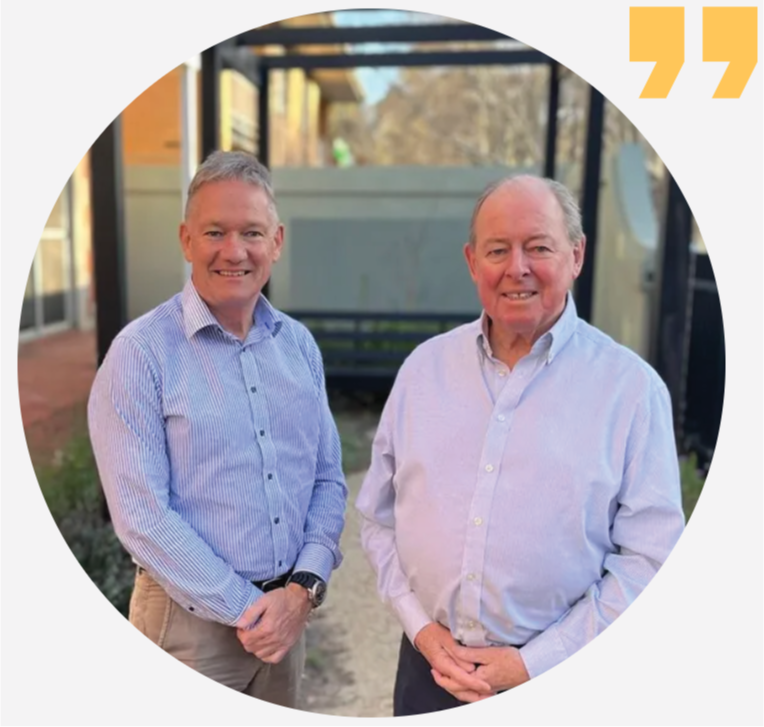
“They listened to our requirements and concerns and formulated a plan tailored to our specific circumstances. We feel they delivered a practical and detailed strategy that suits our needs and reflects our values and we are now working with Butler & Co to implement this.”
Chris Clarke
Partner, Clarke & Brownrigg Chartered Accountants Adelaide
CFO-ONE ADVISORS
“It took us a couple of months to really get clicking, and then around months three or four, we really started to see a huge return on investment which was fantastic.”
Mike Urness, CEO, CFO-One Advisors
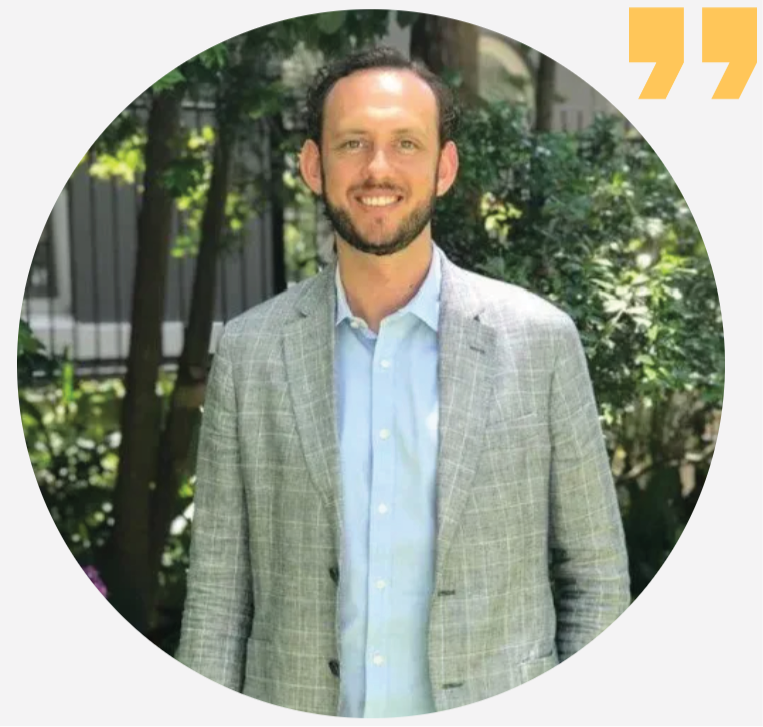
“Wow very promising stats actually…Can’t wait to ramp this up next year given the high enquiry to click through rate and high organic search rate (with no SEO!)”
James Livingston
Founder & Partner,
Arc Medical Accountants
PROPERTY FRONTLINE
"What a positive experience it was working with Trent. What I particularly liked was the mix of tools and feedback that helped me connect with clients in a systemised and targeted way, which saved me so much time."
Debra Beck-Mewing, Founder & CEO, Property Frontline

“Working with Butler & Co has been such a positive experience, helping me develop a suitable marketing strategy and generate high quality leads. Butler & Co are very professional and have a very strategic approach with lead generating. We’ve achieved outstanding results and through my experience, I can honestly recommend Butler & Co and the services 100%.”
Maryanne Drosos
Founder & Director,
Blue Diamond Recruitment
B2B LEADS
“Being a lead gen and marketing guy, I thought my sales process was down pat to be honest...
He [Trent] showed me his methods of conducting sales calls and strategy sessions, which turned out to be way more effective."
Ryan Caswell, Founder, B2B Leads

“I'm so grateful for the support and guidance that Butler & Co’s business coaching has provided me thus far. Without them, I’m not sure if I would have continued in business. I'm now excited for the future and for what's next – we’re only just getting started!”
Kristie Oldfield
Founder & Director,
Parabroker.au
ACHIEVE MARKET LEADING STATUS WITHOUT:

The hassle and risk of taking on a business partner or prematurely hiring and managing a full-time marketing, finance or operations person.
Replacing your existing team members.
Throwing away what is already working.
Schedule a call to see if our approach can help take your business to #1 in your market.
ACHIEVE MARKET LEADING STATUS WITHOUT:
The hassle and risk of taking on a business partner or prematurely hiring and managing a full-time marketing, finance or operations person.
Replacing your existing team members.
Throwing away what is already working.
Schedule a call to see if our approach can help take your business to #1 in your market.
COACHING WILL PAY OFF OVER THE LONG TERM - AND WE GUARANTEE RESULTS.
'Win/Win' is a core value here at Butler & Co Advisory, which is why we offer a return on investment guarantee.
Investment presumes that there will be a return. Otherwise, it’s just an expense.
If you qualify – and do the work – we offer a guarantee:
After 17 weeks of coaching, you will agree that coaching has paid for itself - or we will work with you at no charge until that is true.
This drives us to do great work and ensure we're only commencing relationships with those who we're sure will see commercially positive outcomes.
Our latest articles to help you grow your business

The Moment You Realise It’s Not About Working Harder, It’s About Installing the Right Structure
There is a moment many capable business owners hit somewhere around year three to seven.
From the outside, the business looks healthy. Revenue is coming in, clients are being served, the team is busy, and the phone rings often enough.
But internally, something feels off.
Cash still feels tighter than it should.
You’re flat out, yet not always confident the right things are getting done.
The team is decent, but they still lean on you more than you’d like.
And without realising it, many owners fall into one of the most common traps in business:
They try to solve a systems problem with more effort.
Because effort feels responsible.
Systems feel slower to build.
And slower can feel risky when you’re already carrying pressure.
So the instinct becomes:
“Maybe I just need to push harder.”
In my experience, that’s rarely the real issue.
Hard Work Isn’t the Problem, It’s the Operating System
Most business owners I work with are not lazy.
Far from it.
They are driven, responsible, hardworking, and deeply committed to their clients, team, and family.
Effort usually isn’t the missing ingredient.
The missing piece is often the operating model underneath the business.
When hard work sits on top of weak systems, three things usually happen:
1. Fatigue
You’re always “on”. The business lives in your head 24/7.
2. Inconsistency
Some months feel strong. Others feel unexpectedly tight.
3. Decision Stress
Everything feels urgent because nothing is clearly prioritised.
Good business infrastructure creates something very different:
Predictability
Leverage
Calm leadership
You can work 60 hours a week and still feel uncertain.
Or you can install the right systems and find that 45 hours feels focused, controlled, and purposeful.
Not because you suddenly became less committed.
Because the business is no longer being run by your nervous system.
Why Smart Owners Default to Effort
Here’s the psychological piece many people miss.
Effort gives you immediate emotional relief.
When you push harder, you feel productive. You feel responsible. You feel like you’re doing something.
Systems are different.
Systems force you to face reality.
Questions like:
What are the numbers actually doing?
Where are leads really coming from?
What can the team genuinely handle without me?
What keeps slipping through the cracks?
That kind of clarity is powerful. But at first, it can also feel uncomfortable.
Because ambiguity disappears.
And when ambiguity disappears, you have to face what is actually working, what isn’t, and where the business is relying too heavily on your own capability.
That’s why so many intelligent owners delay the install.
Not because they’re lazy.
Because they’re capable.
And capability can hide the need for a proper system for longer than most people realise.
Until the business outgrows the owner’s current operating system.
Three Structural Gaps That Show Up Repeatedly
If more effort isn’t the answer, what is?
Across many owner-led service businesses I review, three structural gaps tend to show up repeatedly.
When these are missing, owners often stay busy, rely on brute force, and unknowingly play it safe by defaulting to effort instead of installing the right business infrastructure.
1. Financial Visibility: Turning the Headlights On
I often use this analogy:
Running a business without forecasting is like driving at night without headlights.
You can still move forward.
But it’s tense. Reactive. Guesswork.
I regularly speak with owners who say something like:
“We’re doing about $120k a month.”
But when you dig one layer deeper, they can’t clearly tell you:
What the next 90 days of revenue looks like
Whether sales are consistent or lumpy
What their true gross margins are
What the bank balance is likely to look like in two months’ time
That doesn’t make them bad at business.
It usually means visibility hasn’t been installed yet.
At a minimum, most businesses need:
A revenue, profit and cashflow forecast
A month-by-month bank balance projection
That’s the core.
Money in. Money out. Bank balance by month.
Once those basics exist, decisions often become much lighter.
Because you’re no longer deciding from hope alone.
You’re deciding from visibility.
And speaking as a Chartered Accountant by background, I’ll say this carefully:
In many businesses I review, cash stress isn’t caused by a lack of effort; it’s caused by a lack of visibility.
That’s not the only cause of cash pressure, of course. Underpricing, weak margins, cost blowouts, bad debt, and growth funding gaps matter too.
But without visibility, owners often can’t see those issues early enough to respond properly.
A simple forecast won’t solve everything.
But it will switch the headlights on.
A Quick Real-World Example
Recently, I worked with a consulting firm doing roughly $1.2M in annual revenue.
They were working hard, serving clients well, and staying busy. But they had very little visibility over the next 90 days of cash.
Once they installed a simple forecast, three decisions became far clearer: timing of a hire, where pricing needed review, and how project scheduling was affecting cash pressure.
Nothing magical happened overnight.
But the mental noise dropped quickly because the owner was no longer guessing.
2. Sales Predictability: So Growth Stops Feeling Emotional
Many business owners think they have a sales problem.
Often, they actually have a predictability problem.
If leads arrive randomly, there are no defined pipeline stages, conversion rates aren’t measured, and no one knows what a “good week” of sales actually looks like, growth starts to feel emotional.
One month feels great.
The next feels worrying.
That is how businesses drift into feast or famine.
A simple sales management system can change that.
At a basic level, it includes:
Clear lead sources
Defined pipeline stages
Measured conversion rates
A weekly pipeline review rhythm
Once those are in place, revenue often becomes materially more stable over time.
Not perfect.
Not guaranteed.
But more predictable.
And when sales become more predictable, decisions around hiring, spending, and planning usually become calmer too.
3. Leadership Rhythm: So You Stop Being the Bottleneck
The third gap is operating rhythm.
Or in plain English: how the business runs week to week.
Without a clear rhythm, the owner becomes the default problem-solver.
Every question lands on your desk.
Every interruption pulls your attention.
Every decision waits for you.
Over time, the business quietly trains itself to depend on you.
That’s exhausting for the owner and limiting for the team.
But when a leadership rhythm is installed, something important shifts.
For example:
Weekly leadership meetings
A simple scorecard
Clear quarterly priorities
Time blocked for thinking and review
Now the business starts to move with calmer momentum.
Because:
The team knows where decisions get made
Problems get caught earlier
Priorities get reviewed instead of constantly reinvented
This is one of the fastest ways owners gradually buy back time.
Not instantly.
But steadily and reliably.
The Real Shift
The turning point usually isn’t dramatic.
It’s quiet.
It’s the moment an owner stops saying:
“I need to try harder.”
…and starts saying:
“I need a better operating system.”
That is a maturity move.
That is leadership.
That is often the moment growth becomes intentional instead of accidental.
And importantly, this doesn’t only happen in struggling businesses.
In fact, it often happens in capable, established businesses precisely because they’ve succeeded for years through intelligence, grit, and adaptability.
Eventually, however, the business grows to a point where effort alone stops being an efficient strategy.
The owner’s operating system needs an upgrade.
What Installing the Right Systems Actually Looks Like
This isn’t motivational talk.
It’s practical work.
It often looks like:
Mapping revenue, expenses, and cash position 12 months forward
Reviewing a simple weekly scorecard
Installing one or two business capabilities at a time
Creating a consistent meeting rhythm
Building systems that reduce reliance on the owner over time
It is not based on hype, generic encouragement, or telling owners to simply work harder.
It is based on systematically installing the business capabilities that help an owner move from reactive to intentional.
I often describe business ownership as an apprenticeship.
You do not magically become great at:
Forecasting
Sales management
Delegation
Time leverage
Leadership
You learn those skills.
You install them.
You practise them.
And over time, your capability expands.
When the owner upgrades their capability, the business upgrades with them.
A Simple Diagnostic Question
If effort alone was the answer…
Wouldn’t you already be there?
Ask yourself honestly:
Are you clear on your projected bank balance six months from now?
Do you understand what drives predictable sales in your business?
Are you leading proactively, or reacting daily?
If the answer to any of those is no, it does not mean you are failing.
It usually means the right systems have not been fully installed yet.
And that is a solvable problem.
A Practical Next Step
If this article resonated with you, the next step is simple.
At Butler Advisory, we teach a structured approach to installing the capabilities that help owner-led businesses move from reactive and effort-driven to predictable and system-driven.
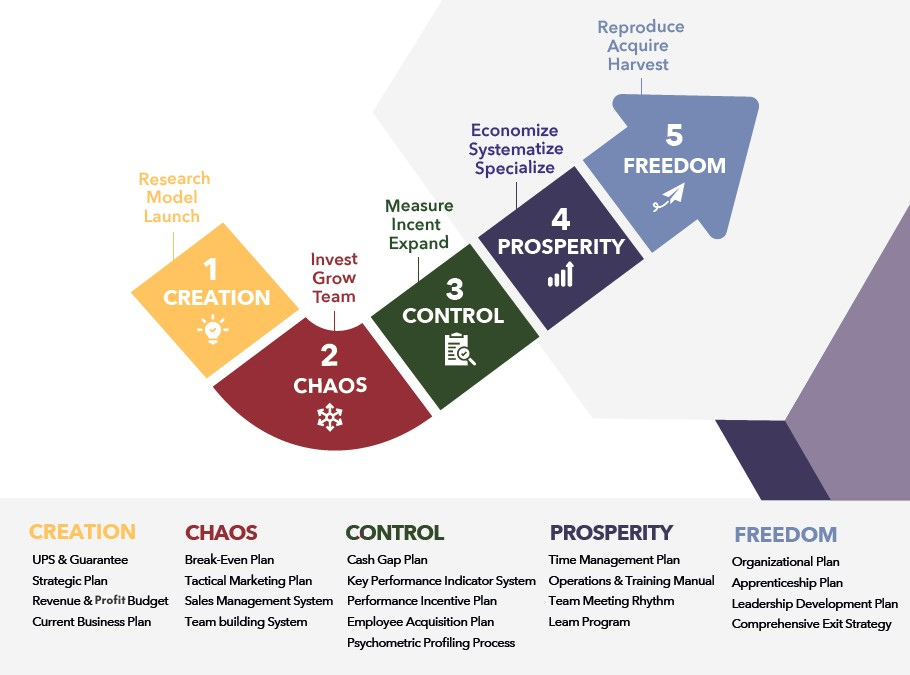
We’ve recorded a short presentation that walks through the 5-step framework we use with clients to transform their businesses into firms that run smoothly, profitably, and increasingly without relying on the owner for every decision.
If you're curious how this approach works in practice, you can watch the full methodology presentation below.
It will give you a clear picture of:
The five stages most businesses move through as they grow
The core systems that create predictability in revenue, profit, and time
The capabilities owners need to install to move from technician to strategic leade
Enter your details below to access the presentation.

Subscribe To Watch Our Free Methodology Presentation: Learn Our Proven 5-Step System For Transforming Your Business Into A Firm That Runs Smoothly, Profitably and (mostly) without You.
Confirm Your Details To Continue

Subscribe To Watch Our Free Methodology Presentation: Learn Our Proven 5-Step System For Transforming Your Business Into A Firm That Runs Smoothly, Profitably and (mostly) without You.
Confirm Your Details To Continue
Schedule a call to see if our approach can help take your business to #1 in your market.
No pie-in-the-sky. No generic ideas.
No hard sell.
Just straight-forward analysis of your approach to marketing and sales, team-building skills, gross and net profitability, and business transfer readiness.