
Your Business Growth Partner
GUIDING THE 'BEST KEPT SECRETS' TO #1 IN THEIR MARKET
Trent Butler is a Chartered Accountant who acts as a Business Coach, Growth Advisor and Marketing Strategist to growth-minded professional service business owners.
We'll help you increase your profits, implement systems to improve operations and build a team that can operate without you - giving you the money and freedom to live the life you want.
Your Business Growth Partner
GUIDING THE 'BEST KEPT SECRETS' TO #1 IN THEIR MARKET
Trent Butler is a Chartered Accountant who acts as a Business Coach, Growth Advisor and Marketing Strategist to growth-minded professional service business owners.
We'll help you increase your profits, implement systems to improve operations and build a team that can operate without you - giving you the money and freedom to live the life you want.
Just a few of the 'best kept secrets' we've worked with:

"I was attracted to Trent's clarity of what could be achieved, his process driven approach to achieving objectives, coupled with his knowledge and experience. It's been absolute pleasure working with Trent and his team. I am extremely pleased with the results...”
Giles Hill
Director, EQ Property
The Truth Is You Have A Lot On Your Plate When It Comes To Being #1 In Your Market...
You Might Be Struggling With:
Identifying & attracting the right type of higher-value client
- Past efforts have attracted the wrong type of client.
- Prospects just want to know 'price' and don't seem to care about anything else.
- Leads seem to take forever to sign-up and become a client.
You just want to attract higher-value clients who value your expertise and expect to pay a fair premium to work with you.
Monitoring cash flow & tracking return on investment
- You’re unsure what metrics to be tracking.
- You’re not clear on what benchmarks to aim for.
- You're not sure if your marketing is making or losing money.
You just want to understand dollars-in vs dollars-out and whether or not it's all worth it.
Developing process and people to handle the next growth phase
- Growth is starting to cause other operational challenges.
- Getting the right people in the right seats has become easier said than done.
- The team can never quite seem to follow process or consistently achieve what is expected.
- You're getting pulled in a hundred different directions and clients are beginning to notice.
You just want to get everyone on the same page and following processes that actually work and scale.
Figuring out what to do and what not to do next from a marketing and business development standpoint
- Exactly who is our ideal client and how do we get more of them?
- Just what is our point of difference (or do we even have one)?
- Do people see us as a commodity service provider?
- What 'tactics' would work best specifically for our firm and stage of business?
- Where should we be spending our marketing dollars and efforts?
You just want to know what you should be doing and why.
Aligning the leadership team on strategy, planning and execution
- The leadership team is losing sight of the bigger picture (core mission, vision and values).
- Key team members just can't seem to agree on what should be done next, how and why.
- Problems use to be handled quickly but now take weeks/months to resolve.
- Important but not urgent activities are just not getting done.
You just want everyone in the business aligned and beating to the same drum.
Just a few of the 'best kept secrets' we've worked with:






"I was attracted to Trent's clarity of what could be achieved, his process driven approach to achieving objectives, coupled with his knowledge and experience. It's been absolute pleasure working with Trent and his team. I am extremely pleased with the results...”
Giles Hill
Director, EQ Property
THE TRUTH IS YOU HAVE A LOT ON YOUR PLATE WHEN IT COMES TO BEING #1 IN YOUR MARKET...
You Might Be Struggling With:
Identifying & attracting the right type of higher-value client
- Past efforts have attracted the wrong type of client.
- Prospects just want to know 'price' and don't seem to care about anything else.
- Leads seem to take forever to sign-up and become a client.
You just want to attract higher-value clients who value your expertise and expect to pay a fair premium to work with you.
Monitoring cash flow & tracking return on investment
- You’re unsure what metrics to be tracking.
- You’re not clear on what benchmarks to aim for.
- You're not sure if your marketing is making or losing money.
You just want to understand dollars-in vs dollars-out and whether or not it's all worth it.
Developing process and people to handle the next growth phase
- Growth is starting to cause other operational challenges.
- Getting the right people in the right seats has become easier said than done.
- The team can never quite seem to follow process or consistently achieve what is expected.
- You're getting pulled in a hundred different directions and clients are beginning to notice.
You just want to get everyone on the same page and following processes that actually work and scale.
Figuring out what to do and what not to do next from a marketing and business development standpoint
- Exactly who is our ideal client and how do we get more of them?
- Just what is our point of difference (or do we even have one)?
- Do people see us as a commodity service provider?
- What 'tactics' would work best specifically for our firm and stage of business?
- Where should we be spending our marketing dollars and efforts?
You just want to know what you should be doing and why.
Aligning the leadership team on strategy, planning and execution
- The leadership team is losing sight of the bigger picture (core mission, vision and values).
- Key team members just can't seem to agree on what should be done next, how and why.
- Problems use to be handled quickly but now take weeks/months to resolve.
- Important but not urgent activities are just not getting done.
You just want everyone in the business aligned and beating to the same drum.
Professional business coaching can help you:
Improve operations, implement systems and remove bottlenecks so that you get your time back.
Hire and train the right team, communicate better with each other and eliminate people problems.
Grow your business with bigger and better clients.
Overcome cash flow issues and improve your financial management.
Make better decisions and become more profitable.
WELL... YOU CAN!
Butler & Co Advisory is a small team of experienced entrepreneurs coaching aspiring entrepreneurs. We are experts in one thing – growing profitable companies through an appropriate mix of business coaching, growth advisory and marketing strategy consulting.
Whereever you're stuck, we can help:

MORE LEADS, SALES, AGGRESSIVE GROWTH?
YOU GOT IT.
MORE LEADS, SALES, AGGRESSIVE GROWTH? YOU GOT IT.
You won’t believe how easy it is to get your phone ringing with top-shelf, ready-to-buy prospects until you see our methodology for yourself. It’s time for you to set the pace and leave your competitors behind.

RECRUIT & RETAIN WINNERS INSTEAD OF LOSERS?
COMING RIGHT UP.
RECRUIT & RETAIN WINNERS INSTEAD OF LOSERS? COMING RIGHT UP.
Only the very best hiring managers win the perpetual war for talent. You’ll join the ranks of elite recruiters when you learn how the top guns do it. It’s time to get the rock stars you deserve and let the rest work for the others.
CONTROL YOUR CASH AND STASH MONEY AWAY?
EASY.
CONTROL YOUR CASH AND STASH MONEY AWAY? EASY.
Smart business owners know how to control costs, forecast and manage cash, and grow profits. It’s time to control the flow of money through your business and build a large pile of cash in your bank account.
GET YOUR BUSINESS READY TO SELL FOR BIG BUCKS? LET’S ROLL.
Any business can be turned into a cash machine that runs with minimal to zero daily involvement of the owner(s). It’s time to turn your staff into a team that will run your business like they own it, so you can sell it to whomever you wish, whenever you wish.
Who We Work With
We work primarily with established business owners in the following categories.

Advisory Firms
Accounting firms, consulting firms, real estate agencies, medical clinics and marketing agencies.

Professionals
Consultants, coaches, real estate agents, accountants, mortgage brokers, medical practitioners, marketers and freelancers.

Our Founder & Lead Business Coach, Trent Butler
The vision of Butler & Co Advisory is to be the undisputed market leader in business growth advisory services in Australia.
Our plan to achieve that vision is to work hand-in-hand with a smaller volume of exceptionally talented industry experts, taking each of them to 'market-leader' status in their respective niches and/or geographic locations. We then let their results do our talking.
A Chartered Accountant, Trent has over 10 years experience working across three different firms spanning the three 'tiers' of the accounting profession; a small boutique firm, a mid-tier firm and the ‘big 4’ firm – Pricewaterhouse Coopers.
Since founding Butler & Co Advisory in 2018, Trent has worked with over 50+ Australian professional service businesses. He deeply understands the nuances, growth challenges and stakeholder dynamics that present at every stage of a firm's life cycle.
Trent knows how both prospective clients and professional staff conduct their due diligence and choose a professional service provider in the modern digital world.
He understands that as your business grows and thrives, so will our partnership. So let’s talk, we promise it will be a breath of fresh air.
Our Founder & Lead Business Coach, Trent Butler
The vision of Butler & Co Advisory is to be the undisputed market leader in business growth advisory services in Australia.
Our plan to achieve that vision is to work hand-in-hand with a smaller volume of exceptionally talented industry experts, taking each of them to 'market-leader' status in their respective niches and/or geographic locations. We then let their results do our talking.
A Chartered Accountant, Trent has over 10 years experience working across three different firms spanning the three 'tiers' of the accounting profession; a small boutique firm, a mid-tier firm and the ‘big 4’ firm – Pricewaterhouse Coopers.
Since founding Butler & Co Advisory in 2018, Trent has worked with over 50+ Australian professional service businesses. He deeply understands the nuances, growth challenges and stakeholder dynamics that present at every stage of a firm's life cycle.
Trent knows how both prospective clients and professional staff conduct their due diligence and choose a professional service provider in the modern digital world.
He understands that as your business grows and thrives, so will our partnership. So let’s talk, we promise it will be a breath of fresh air.
What is Trent like to work with?
Click on the images below to watch the videos.
LOCATE BUYERS AGENCY
"Their [Trent's] approach with us has been fantastic and I really like that they actually care about their clients. They're actually interested in you getting the best results possible, and that shows up in how they work and how they approach what they do.
They're very strategic. They'll come up with great ideas and great ways in which you can improve on your business."
Shane Hiscock, Founder & Buyers Agent, Locate Buyers Agency

“They listened to our requirements and concerns and formulated a plan tailored to our specific circumstances. We feel they delivered a practical and detailed strategy that suits our needs and reflects our values and we are now working with Butler & Co to implement this.”
Chris Clarke
Partner, Clarke & Brownrigg Chartered Accountants Adelaide
CFO-ONE ADVISORS
“It took us a couple of months to really get clicking, and then around months three or four, we really started to see a huge return on investment which was fantastic.”
Mike Urness, CEO, CFO-One Advisors

“Wow very promising stats actually…Can’t wait to ramp this up next year given the high enquiry to click through rate and high organic search rate (with no SEO!)”
James Livingston
Founder & Partner,
Arc Medical Accountants
PROPERTY FRONTLINE
"What a positive experience it was working with Trent. What I particularly liked was the mix of tools and feedback that helped me connect with clients in a systemised and targeted way, which saved me so much time."
Debra Beck-Mewing, Founder & CEO, Property Frontline

“Working with Butler & Co has been such a positive experience, helping me develop a suitable marketing strategy and generate high quality leads. Butler & Co are very professional and have a very strategic approach with lead generating. We’ve achieved outstanding results and through my experience, I can honestly recommend Butler & Co and the services 100%.”
Maryanne Drosos
Founder & Director,
Blue Diamond Recruitment
B2B LEADS
“Being a lead gen and marketing guy, I thought my sales process was down pat to be honest...
He [Trent] showed me his methods of conducting sales calls and strategy sessions, which turned out to be way more effective."
Ryan Caswell, Founder, B2B Leads

“I'm so grateful for the support and guidance that Butler & Co’s business coaching has provided me thus far. Without them, I’m not sure if I would have continued in business. I'm now excited for the future and for what's next – we’re only just getting started!”
Kristie Oldfield
Founder & Director,
Parabroker.au
ACHIEVE MARKET LEADING STATUS WITHOUT:

The hassle and risk of taking on a business partner or prematurely hiring and managing a full-time marketing, finance or operations person.
Replacing your existing team members.
Throwing away what is already working.
Schedule a call to see if our approach can help take your business to #1 in your market.
ACHIEVE MARKET LEADING STATUS WITHOUT:
The hassle and risk of taking on a business partner or prematurely hiring and managing a full-time marketing, finance or operations person.
Replacing your existing team members.
Throwing away what is already working.
Schedule a call to see if our approach can help take your business to #1 in your market.
COACHING WILL PAY OFF OVER THE LONG TERM - AND WE GUARANTEE RESULTS.
'Win/Win' is a core value here at Butler & Co Advisory, which is why we offer a return on investment guarantee.
Investment presumes that there will be a return. Otherwise, it’s just an expense.
If you qualify – and do the work – we offer a guarantee:
After 17 weeks of coaching, you will agree that coaching has paid for itself - or we will work with you at no charge until that is true.
This drives us to do great work and ensure we're only commencing relationships with those who we're sure will see commercially positive outcomes.
Our latest articles to help you grow your business
The 8 Marketing Strategies That Consistently Work for Professional Service Firms
Many professional service firms generate good revenue yet still struggle with one frustrating reality:
Lead flow remains inconsistent.
Some months, enquiries arrive naturally. Referrals come in. Past clients reconnect. The pipeline feels healthy.
Other months, things go quiet.
When that happens, marketing suddenly becomes urgent.
The owner starts wondering:
Should we invest in SEO?
Post more on LinkedIn?
Start a podcast?
Run webinars?
Hire a marketing agency?
Launch paid advertising?
Experiment with AI content?
The problem for most professional service firms is not a lack of marketing ideas.
It is the opposite.
There are too many.
As a result, many owners move from tactic to tactic, hoping the next idea will finally create a more predictable pipeline of quality clients.
But professional services are different.
David Maister, one of the world’s leading thinkers on professional service firms, made this point clearly: clients do not usually choose accountants, lawyers, consultants, engineers, financial advisers, health practitioners, marketing agencies, or real estate professionals because of a clever advertisement.
They choose professionals they trust.
That distinction matters.
In professional services, marketing is not just about attention. It is about confidence.
Why Most Professional Service Firm Marketing Struggles
In my experience, most professional service firms do not struggle because they lack technical skill.
Quite the opposite.
They are often excellent at what they do.
The challenge is usually more commercial than technical.
Common problems include:
Partners are consumed by client delivery
Nobody clearly owns business development
Marketing gets pushed behind urgent client work
The firm relies heavily on referrals but has no real referral system
Technical excellence is mistaken for commercial strategy
Marketing happens in bursts rather than as a rhythm
For example, a professional services firm might generate over $2 million in annual revenue and still rely on one or two partners to bring in most of the work.
On paper, the firm looks successful.
But underneath, growth is fragile.
When referrals slow down or a major client pauses work, the business owner suddenly feels exposed.
This is why more tactics are rarely the answer.
The better question is:
Which marketing activities consistently build trust, credibility, relationships, and visibility with the right people?
That is where Maister’s work remains highly relevant.
While marketing technology continues to change, the underlying principles have not changed much at all.
Here are eight marketing strategies that continue to work for professional service firms.
1. Educational Seminars and Workshops
One of the fastest ways to build trust is to teach.
Most professional service firms spend too much time explaining what they do and not enough time helping prospects better understand the problems they are trying to solve.
Educational seminars, workshops, and webinars allow you to demonstrate expertise without needing to sell.
For example, a financial adviser might host a workshop called:
Five Retirement Planning Mistakes Business Owners Make.
An accountant might present:
The Top Tax Planning Opportunities Before 30 June.
An engineering consultant might run a session for strata managers on:
Common Risks That Delay Construction Projects and How to Avoid Them.
The goal is not to pitch.
The goal is to educate.
When people learn something useful from you, they begin to see how you think. That is often more powerful than any brochure, website claim, or sales script.
What Makes a Seminar Effective?
The best seminars:
Focus on a specific client problem
Provide genuine practical value
Avoid becoming a disguised sales presentation
Use real examples and case studies
Create opportunities for further conversation
The mistake many firms make is trying to cover too much.
A broad topic such as “Business Growth Strategies” is usually less effective than a specific topic such as:
How Professional Service Firms Can Improve Profitability Without Adding More Staff.
Specificity creates relevance.
And relevance creates attention.
Key Lesson
People are more likely to engage with professionals who teach than professionals who pitch.
2. Publishing Thought Leadership Content
Many business owners underestimate how often prospects research them before making contact.
Before booking a meeting, prospects may visit your website, read your articles, review your LinkedIn profile, watch your videos, or ask someone else about your reputation.
The question is:
What do they find?
Thought leadership content allows you to demonstrate expertise before you have ever spoken to a prospect.
But the goal is not content for content’s sake.
The goal is not to impress other professionals.
The goal is to help potential clients better understand their own problems.
Good Content Answers Questions Your Clients Are Already Asking
For example:
How can we reduce risk?
What mistakes should we avoid?
What is changing in our industry?
How can we improve performance?
What does best practice look like?
What should we know before making an important decision?
How can we achieve a better outcome?
This is where many firms get content wrong.
They write about what they want to say, rather than what their ideal clients are already thinking about.
A lawyer may want to write about technical legal updates.
An accountant may want to write about tax rules.
A consultant may want to write about methodology.
There is nothing wrong with technical content, but the strongest thought leadership usually connects technical expertise to the client’s real-world concerns.
The best content helps prospects solve problems before they become clients.
Key Lesson
Expertise hidden inside your head has limited commercial value. Expertise made visible can build trust long before the first meeting.
3. Speaking Engagements
One of the fastest ways to build credibility is to borrow someone else’s audience.
Speaking at industry events, conferences, association meetings, client functions, and webinars places you in front of people who already fit your target market.
It also positions you as an expert rather than a salesperson.
Think about it.
If you attended an event and listened to someone explain a problem you were currently experiencing, who would you be more likely to trust?
The person teaching from the front of the room?
Or the person cold-calling you the next day?
Speaking works because it compresses trust.
The audience sees how you think.
They hear your perspective.
They assess your confidence.
They get a feel for whether you understand their world.
Where Professional Service Firms Can Speak
Good opportunities might include:
Industry associations
Local business groups
Client events
Webinars
Conferences
Supplier or partner events
Private workshops for referral partners
The key is to avoid making the presentation about you.
The best speaking opportunities focus on a problem your audience already cares about.
For example:
“How to Build a Business That Is Less Dependent on the Owner”
“How to Improve Project Profitability Before Hiring More Staff”
“How to Prepare Your Business for Sustainable Growth”
“How to Reduce Client Friction Through Better Upfront Communication”
Visibility creates familiarity.
Familiarity often precedes trust.
Key Lesson
Speaking is not just a marketing tactic. It is a trust-building platform.
4. Referral Cultivation
Referrals remain one of the highest-quality sources of new business for professional service firms.
But many owners approach referrals too passively.
They wait.
They hope.
They assume good work will automatically generate introductions.
Sometimes it does.
Often it does not.
Most owners say referrals are their primary source of leads. Yet when asked where those referrals actually come from, many cannot answer clearly.
That is a problem.
If referrals are important to your business, they should not be left entirely to chance.
Creating More Referable Moments
A referable moment is a moment where a client, contact, or adviser clearly sees your value and can easily explain it to someone else.
These moments are created when you:
Solve a meaningful problem
Communicate clearly
Make the client feel understood
Create a visible improvement
Share useful insights
Follow up after the work is done
Make the client look good to others
For example, a consultant who helps a client simplify a messy operational problem may create a natural referral moment.
But only if the client can clearly describe what changed.
That is why language matters.
If your client can only say, “They were good,” that is weak.
If they can say, “They helped us reduce project delays and get control of our weekly workflow,” that is much stronger.
Making Referrals Easier
The best referral strategy is not an awkward script.
It is clarity.
Clients and contacts need to understand:
Who you help
What problems you solve
What outcomes you create
When someone should speak to you
Referrals are earned through relationships, but they are made easier through clear positioning.
Key Lesson
Referrals are not just requested. They are designed, earned, and made easy.
5. Client Roundtables and Peer Groups
One of the most underused marketing strategies is bringing smart people together.
Many business owners are searching for ideas, perspective, and connection.
Hosting a small roundtable allows you to become the facilitator of a valuable conversation.
This is especially powerful in professional services because trust often builds through dialogue, not promotion.
For example:
An engineering consultant might host a quarterly discussion for property developers.
A financial adviser might facilitate a breakfast for business owners approaching retirement.
An accountant might bring together family business owners to discuss succession planning.
A buyers agent might host a small roundtable for mortgage brokers to discuss market trends, lending conditions, and opportunities to better support mutual clients.
These events do not need to be large.
In many cases, smaller is better.
Eight to twelve well-selected people in a room can be more valuable than a webinar with 200 passive attendees.
Why Roundtables Work
Roundtables work because they create:
Peer learning
Trust
Conversation
Shared insight
A reason to reconnect
Natural follow-up opportunities
The facilitator does not need to dominate the room.
Their job is to ask good questions, guide the discussion, and create value for everyone involved.
Sometimes the most valuable thing you can offer is a room full of the right people.
Key Lesson
When you bring the right people together, you are no longer just selling expertise. You are creating community and connection.
6. Client Education and Training Programs
Many firms spend enormous energy chasing new clients while overlooking opportunities with existing ones.
Existing clients already know you.
They already trust you.
They already understand at least part of your value.
One of the simplest ways to deepen those relationships is to educate their teams.
This might include:
Leadership workshops
Team training sessions
Technical education programs
Industry updates
Process improvement workshops
Client onboarding sessions
Risk reduction training
For example, a professional services firm might not only advise the owner, but also train the client’s team on how to use a new process, interpret key reports, or communicate more effectively with stakeholders.
This can shift the relationship from transactional to strategic.
Instead of being seen as a supplier, you become part of the client’s broader growth and improvement journey.
Why Existing Clients Matter
It is usually easier to deepen a strong relationship than to create a new one from scratch.
Yet many firms neglect existing clients because new business feels more exciting.
That is a mistake.
Client education can:
Increase retention
Create additional value
Strengthen relationships
Generate referrals
Uncover new opportunities
Help clients get better results from your work
The more value clients receive, the more likely they are to stay, expand, and refer.
Key Lesson
Your best marketing opportunity may already be sitting inside your current client base.
7. Building a Visible Personal Brand
In many professional services industries, clients often hire people before they hire firms.
The firm brand matters.
But the visibility of key partners and leaders often matters just as much.
This does not mean becoming a social media influencer.
It means becoming known by the right people for the right things.
Practical Ways to Build Visibility
You might:
Publish articles
Share useful insights on LinkedIn
Speak at events
Participate in industry groups
Comment thoughtfully on industry issues
Appear on podcasts
Send useful updates to clients and contacts
The aim is not fame.
The aim is familiarity and credibility.
If your ideal clients repeatedly see you sharing useful, thoughtful, relevant ideas, they begin to associate you with expertise in that area.
That matters when a need eventually arises.
Avoiding the Influencer Trap
Some professionals resist personal branding because they associate it with self-promotion.
That concern is understandable.
But personal brand does not need to mean dancing on social media, posting motivational quotes, or trying to become famous.
For a professional services owner, personal brand can simply mean:
Being clear about what you stand for
Sharing practical insight
Demonstrating how you think
Showing up consistently in the right circles
You do not need to become known by everyone.
You need to become known by the right people.
Key Lesson
A visible expert is easier to trust than an invisible one.
8. Targeted Relationship Building
Many business owners would love to delegate all business development activity.
Unfortunately, it rarely works that way.
In many professional service firms, senior leaders still need to be involved in building relationships.
This is not because they need to do everything themselves.
It is because high-trust services are often sold through high-trust relationships.
Maister often referred to this as “rainmaking”.
But rainmaking does not need to mean aggressive selling.
In practical terms, it means deliberate relationship building.
Practical Relationship-Building Activities
This might include:
Reconnecting with former clients
Following up warm prospects
Checking in with referral partners
Sharing relevant articles or insights
Introducing useful contacts to one another
Congratulating clients on milestones
Inviting contacts to useful events
Staying close to past opportunities that were not ready at the time
None of these activities are especially complicated.
The challenge is consistency.
Many owners wait until the pipeline is empty before they start reaching out.
By then, the activity feels stressful and reactive.
The better approach is to make relationship building part of the weekly rhythm.
For example, a partner might set aside 60 minutes each week to reconnect with five people in their network.
Not to pitch.
Not to pressure.
Just to stay visible and useful.
Over time, those small actions compound.
Key Lesson
Most opportunities come from conversations, not campaigns.
The Common Thread Behind All Eight Strategies
Notice what is missing from this list.
No marketing hacks.
No secret funnels.
No magic software.
No overnight lead-generation system.
That does not mean modern marketing tools are useless. SEO, LinkedIn, email, webinars, automation, and paid advertising can all have a place.
But they are tools.
They are not the strategy.
The common thread running through all eight strategies is not marketing technology.
It is the deliberate demonstration of expertise and the consistent building of trust.
Professional service firms often grow when they consistently:
Build trust
Demonstrate expertise
Stay visible
Deepen relationships
Deliver on their promises
Marketing is not about being seen by everyone.
It is about being remembered by the right people when they need help.
Focus Beats Complexity
If there is one lesson to take from this article, it is this:
You do not need 100 marketing tactics.
You need one or two primary trust-building strategies executed consistently over time.
Most professional service firms do not struggle because they chose the wrong marketing activity.
They struggle because marketing becomes reactive, unclear, or inconsistent.
In many cases, the firms that consistently grow are the firms that stay visible long enough to earn confidence.
That requires discipline.
It also requires leadership.
Because in a professional services firm, marketing and business development cannot sit entirely outside the leadership team.
If the partners do not treat growth as a strategic priority, the firm usually feels it eventually.
A Simple Exercise
Take five minutes and ask yourself:
Which of these eight strategies are we currently doing?
Which ones are we doing consistently?
Which one would create the greatest impact if we improved it over the next 90 days?
Who owns it?
What is one action we can take this week to move it forward?
Then focus there.
Do not try to implement all eight at once.
That will likely create more noise.
Instead, choose one high-leverage strategy and build a rhythm around it.
For example:
Run one client education session this quarter
Reconnect with five past clients this week
Write one practical article per fortnight
Host one small roundtable in the next 90 days
Ask your leadership team to define your ideal referral more clearly
Consistency usually beats intensity.
Final Reflection
In professional services, clients rarely buy because of the best advertisement.
They buy because they trust the person on the other side of the conversation.
Everything in your marketing should be designed to build that trust before the first meeting ever takes place.
If your marketing feels scattered, the answer may not be to add more activity.
It may be to simplify.
Choose the few activities that help the right people understand your value, experience your thinking, and trust your judgement.
Then execute them consistently.
That is not as exciting as chasing the latest marketing trend.
But for many professional service firms, it is far more effective.
Those shifts sound simple.
In practice, they can be difficult to navigate alone because owners are often balancing client delivery, team leadership, financial management, and growth simultaneously.
This is one of the reasons business coaching can be valuable.
Not because a coach has all the answers.
But because an experienced coach can help provide perspective, challenge assumptions, identify blind spots, and create accountability around the activities that matter most.
If you're running a professional services firm and would like an independent perspective on your current marketing and business development approach, you're welcome to book a complimentary 15-minute brainstorming call.
We'll discuss what's currently working, what isn't, where the biggest opportunities may be, and whether there are one or two high-leverage improvements worth focusing on next.
No obligation. No hard sell.
Just a practical conversation designed to help you gain clarity on where to focus your time, energy, and marketing effort.
Book a time here:

Subscribe To Watch Our Free Methodology Presentation: Learn Our Proven 5-Step System For Transforming Your Business Into A Firm That Runs Smoothly, Profitably and (mostly) without You.
Confirm Your Details To Continue

Subscribe To Watch Our Free Methodology Presentation: Learn Our Proven 5-Step System For Transforming Your Business Into A Firm That Runs Smoothly, Profitably and (mostly) without You.
Confirm Your Details To Continue
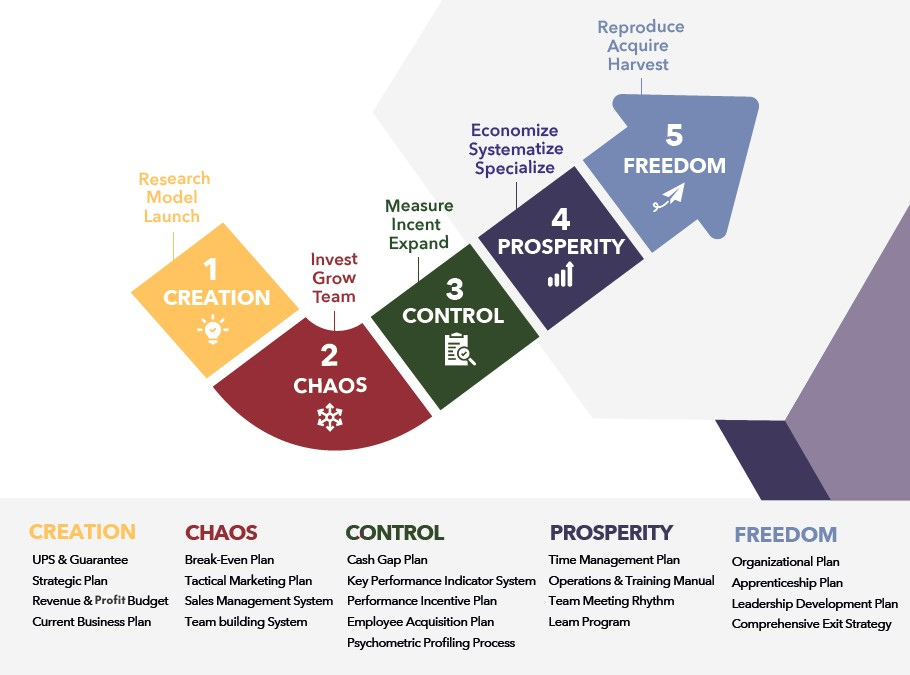
Schedule a call to see if our approach can help take your business to #1 in your market.
No pie-in-the-sky. No generic ideas.
No hard sell.
Just straight-forward analysis of your approach to marketing and sales, team-building skills, gross and net profitability, and business transfer readiness.